 Reselling AI Assistant
What counts as vintage when you sell
Most resellers use the same line as Etsy: an item is vintage when it is at least 20 years old. In 2026 that means made in 2006 or earlier. Etsy removes listings sold as vintage that don’t meet that age, including newer pieces made to look old.
On Vinted and eBay “vintage” is a word in your title, not a checked category, but buyers still expect it to be true. If you can only narrow it to a decade, say so: “likely 1990s” is honest and still sells.
1. Start with the brand label
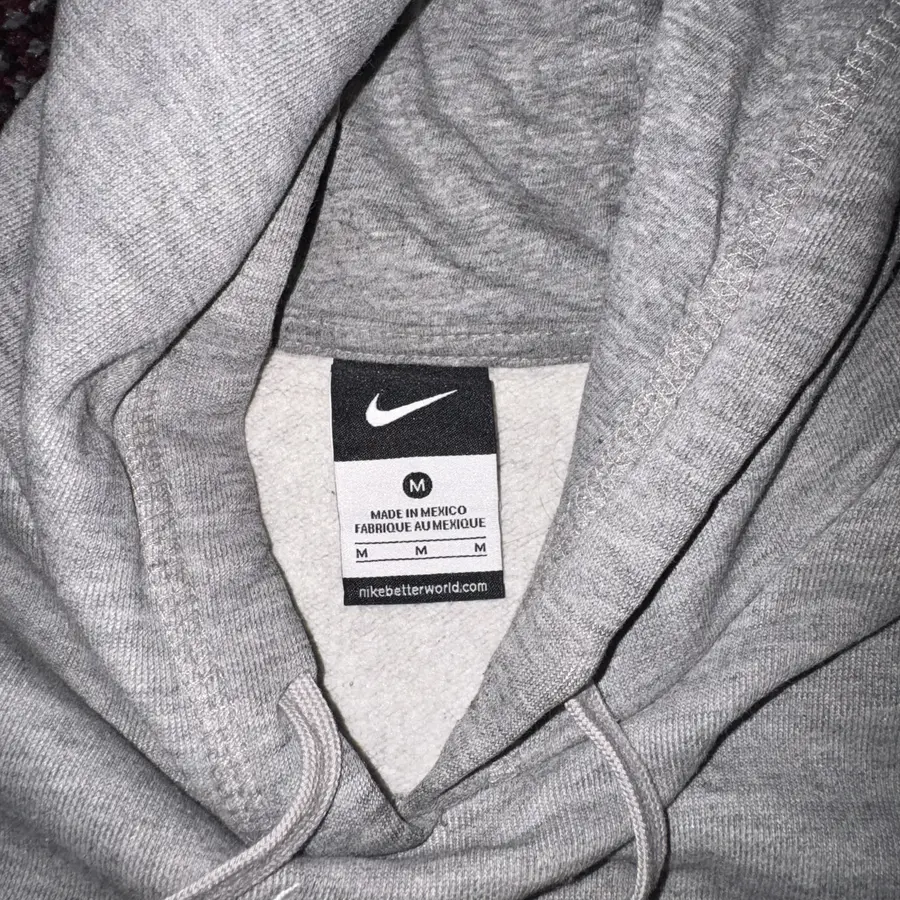
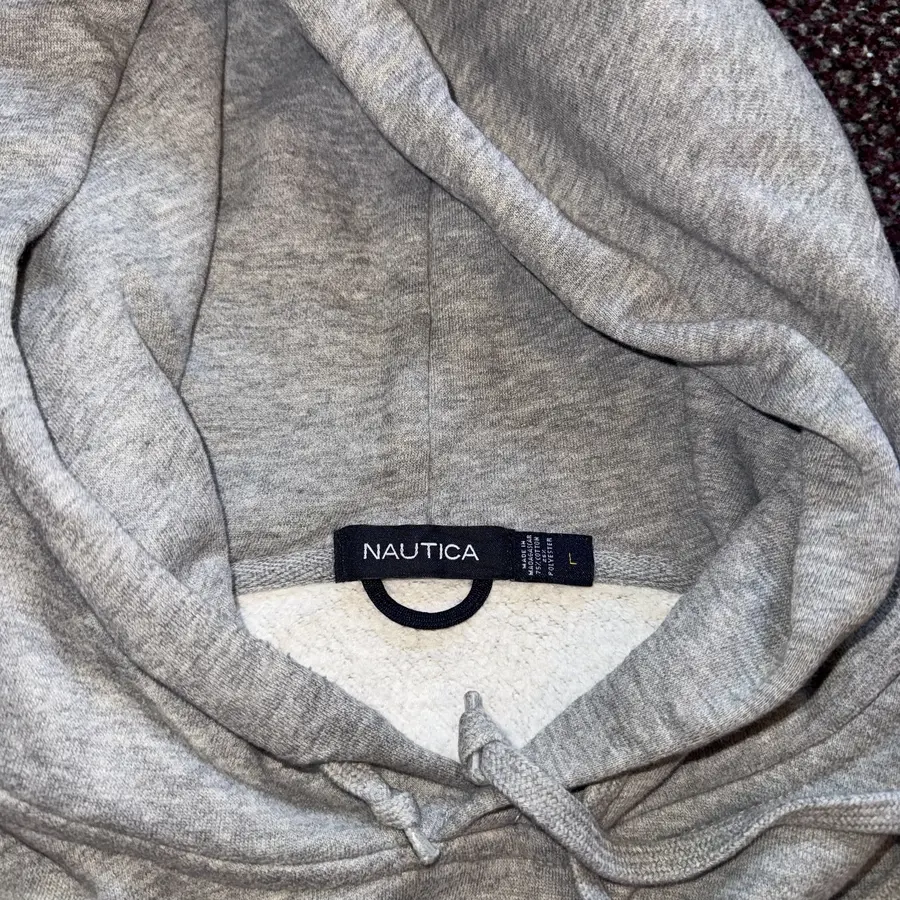
Brands redesign their labels every few years, so the label is usually your best clue. Look at the logo, the font, the colours and how the label is made. Older labels are often woven with the logo stitched in; many modern ones are printed on smooth satin.
Compare your label with dated examples of the same brand rather than relying on memory. If the logo is the one the brand uses on its website today, the piece is almost certainly recent.
2. Read the care and content label
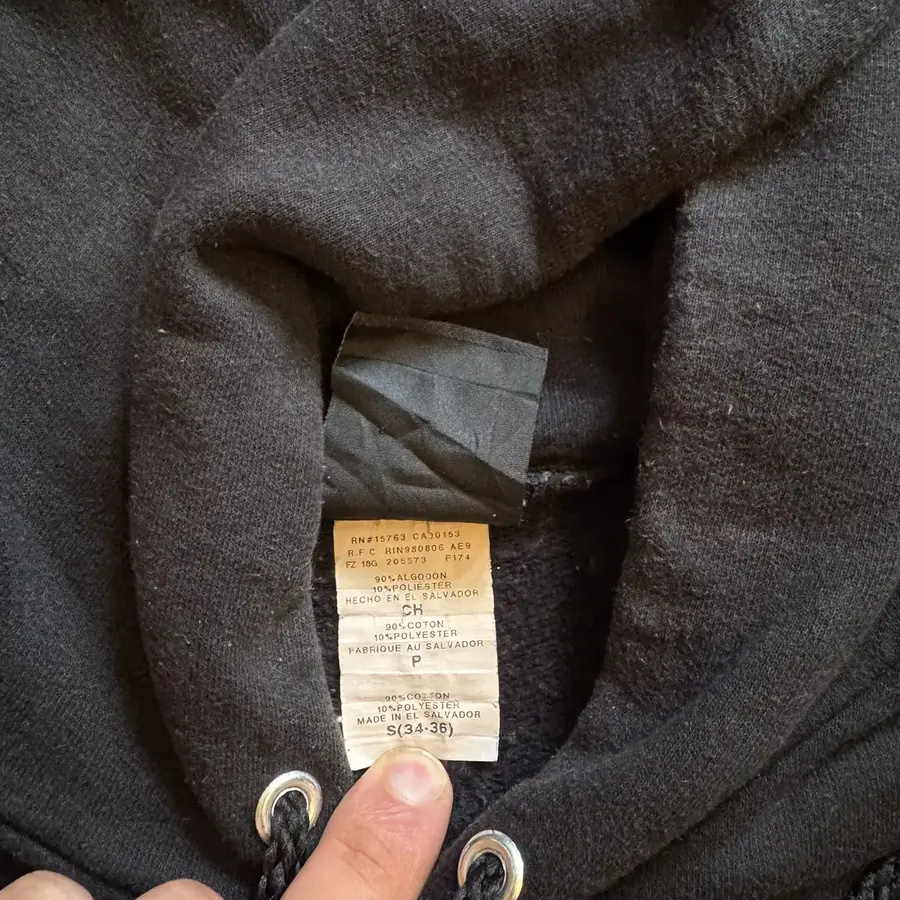
Care symbols became common on clothing labels from the 1970s onwards, so a garment with no care label at all, or only a few words of washing text, is often older. Long labels repeating the care text in many languages are typical of more recent production.
Some brands print a production date or season code on the inner label. When you find one, it is stronger evidence than anything else on this list. A QR code, a website address or a sustainability claim points to a recent piece.
3. Check where it was made
Until the 1990s many mainstream brands still made clothes in the UK, the USA or Europe. Through the 1990s and 2000s most production moved to Asia. “Made in England” or “Made in USA” on a brand that now manufactures elsewhere is a good sign of age, but it isn’t proof on its own: some brands kept or brought back local lines.
4. Look at how it was made
- Hems: T-shirts with a single row of stitching on the sleeve and bottom hem are usually from before the mid-1990s. Some modern brands copy this, so use it with other clues.
- Zips: metal zips with an older maker’s name stamped on the pull suggest an older piece than a plain plastic zip.
- Fabric: heavier cotton, wool and denim, and visible hand finishing, are common in older pieces.
- Wear: fading, softening and repairs should look even and natural. Uniform “distressing” is usually factory-made.
5. Read the print, carefully
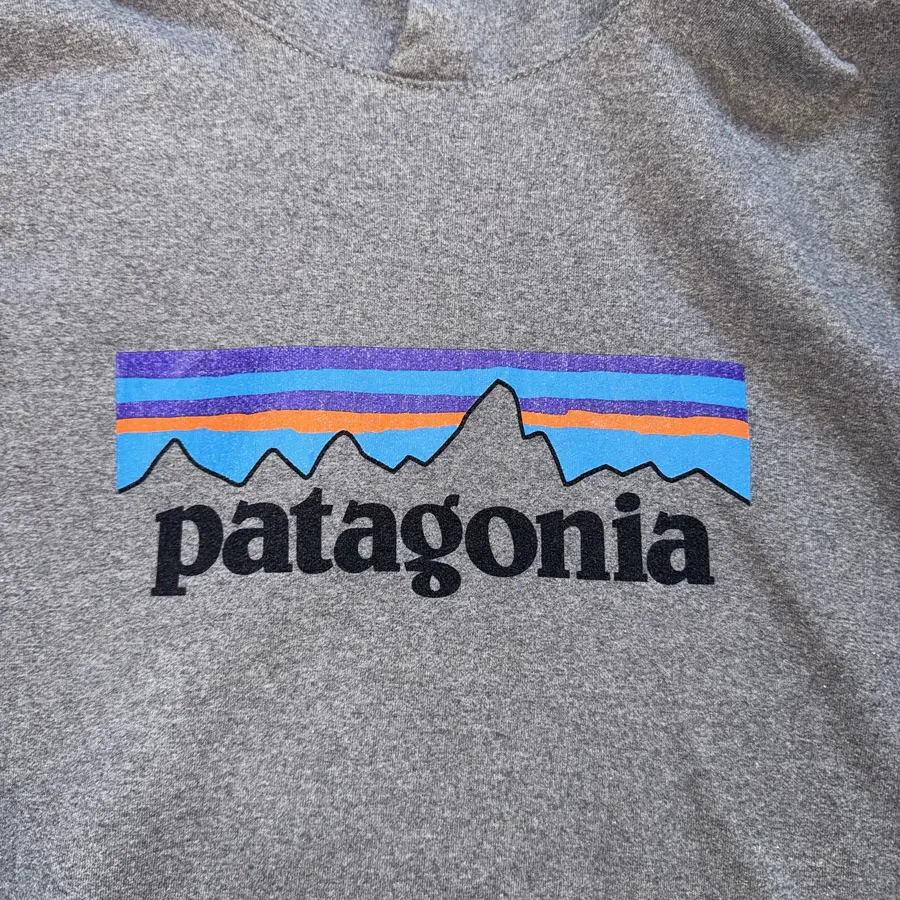
A copyright year printed under a graphic, such as “©1994”, dates the design, not the shirt. Licensed designs were often reprinted for years. Cracked, thin screen prints point older; thick, rubbery or puff prints are typical of the late 1990s and 2000s.
Vintage, Y2K or retro?
Vintage is about age: 20 years or more. Y2K is a style era, roughly the late 1990s to the mid-2000s; from 2026, a genuine Y2K piece made in 2006 or earlier also meets the 20-year line. Retro means a newer item made in an older style. Calling a retro piece vintage is the mistake that gets listings removed on Etsy and returned on Vinted.
There is more on telling them apart in vintage vs Y2K vs retro.
Put the evidence in your listing
Photograph the brand label, the care label and anything that dates the piece, and say what they show: “Vintage 90s jacket, made in England, early-90s label”. If you are unsure, write “likely 1990s” and show the label so buyers can judge for themselves.
Reselling AI Assistant’s Authenticity & Era check reads the logo, labels, stitching and style from your photos and suggests vintage, Y2K, retro or modern as a starting point. It is guidance, not a certificate, so always check the label yourself.
For Nike, the neck tag alone narrows the era a lot: see how to date vintage Nike tags. Selling on more than one app? Crosslisting gets the same evidence in front of more buyers.
How this worksheet works
This is an editorial sourcing checklist, not a market-price prediction. Worked numbers are illustrative. Follow the linked calculators for deterministic formulas and clearly stated assumptions.
Reselling AI Assistant uses asking prices and user-recorded sales where available, not verified sold prices unless actually supported. A scan can help connect valuation to Buy/Skip, listing generation and inventory/profit tracking; inspect the item and review the evidence before acting.
Want more guides like this in your Google results? Add Reselling AI Assistant as a preferred source on Google.
Frequently asked questions
How old does clothing have to be to be vintage?
Most resellers and Etsy use 20 years. In 2026 that means made in 2006 or earlier. Anything newer that only looks old is retro or vintage-style.
Can I call something vintage if I’m not sure of its age?
Only if you have reasonable evidence. Otherwise write “vintage style” or “likely 1990s” and photograph the labels so buyers can see what you saw.
Does single-stitch always mean vintage?
No. Single-stitch hems are common on T-shirts made before the mid-1990s, but some modern brands use them too. Check the label and print as well.
Is Y2K clothing vintage?
Y2K is a style era. A genuine piece made in 2006 or earlier is at least 20 years old in 2026, so it also counts as vintage. A new Y2K-style piece does not.
Sources and scope
Information checked 6 November 2026. Confirm your account terms and current charges before listing.